I started this work because I handled a bad year badly
In 2013 I was running operations for a regional logistics firm when a warehouse fire took out two thirds of our capacity overnight. We were praised for the recovery. Eleven months later half of my managers had left, and the ones who stayed had stopped telling me things. Nobody had trained me for the part after the part everybody talks about.
I went looking for the research and found surprisingly little of it. So I started collecting the stories myself: first as a part-time doctorate, then as four books and a stubborn habit of asking people what month seven felt like.
The work now sits in three places. I write — books and a Sunday letter that reaches about 34,000 people. I speak, mostly to organisations somewhere in the long middle of something hard. And I run two or three long engagements a year with leadership teams who want the slow version rather than the keynote.
I am not a motivational speaker, and I try never to tell a room that things happen for a reason. What I offer is more modest and more useful: a clear description of the terrain, honest language for it, and a handful of practices that hold up under load.
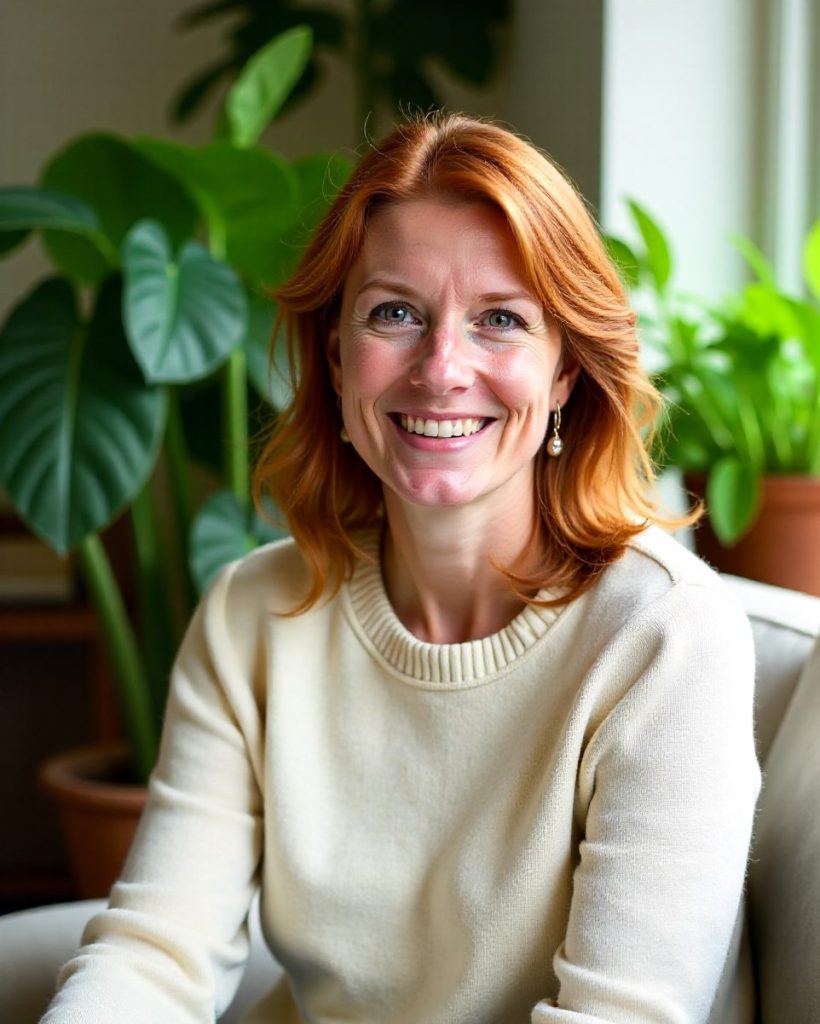
I live in Edinburgh with a bad-tempered lurcher and an unreasonable number of index cards.
Credentials
- PhD, Organisational Behaviour — Lowry School of Management
- Visiting Fellow, Institute for Public Services (2024–)
- Chartered Fellow, Institute of Operations Leadership
- Trustee, The Ossei Foundation for care workers
- Columnist, The Pellinore Review (2021–2025)
All institutions fictional
The warehouse fire. Nine days of clarity, eleven months of attrition, and the question that became the work.
The Recovery Habit published while finishing the doctorate. 40 interviews, one patient editor.
First main-stage keynote at the Two Rivers heads’ conference. Small Brave Things that autumn.
Hold the Line. Eighteen months embedded with managers through a genuinely awful winter.
The Steady Middle, and a 24-city tour she has been told is too ambitious.